

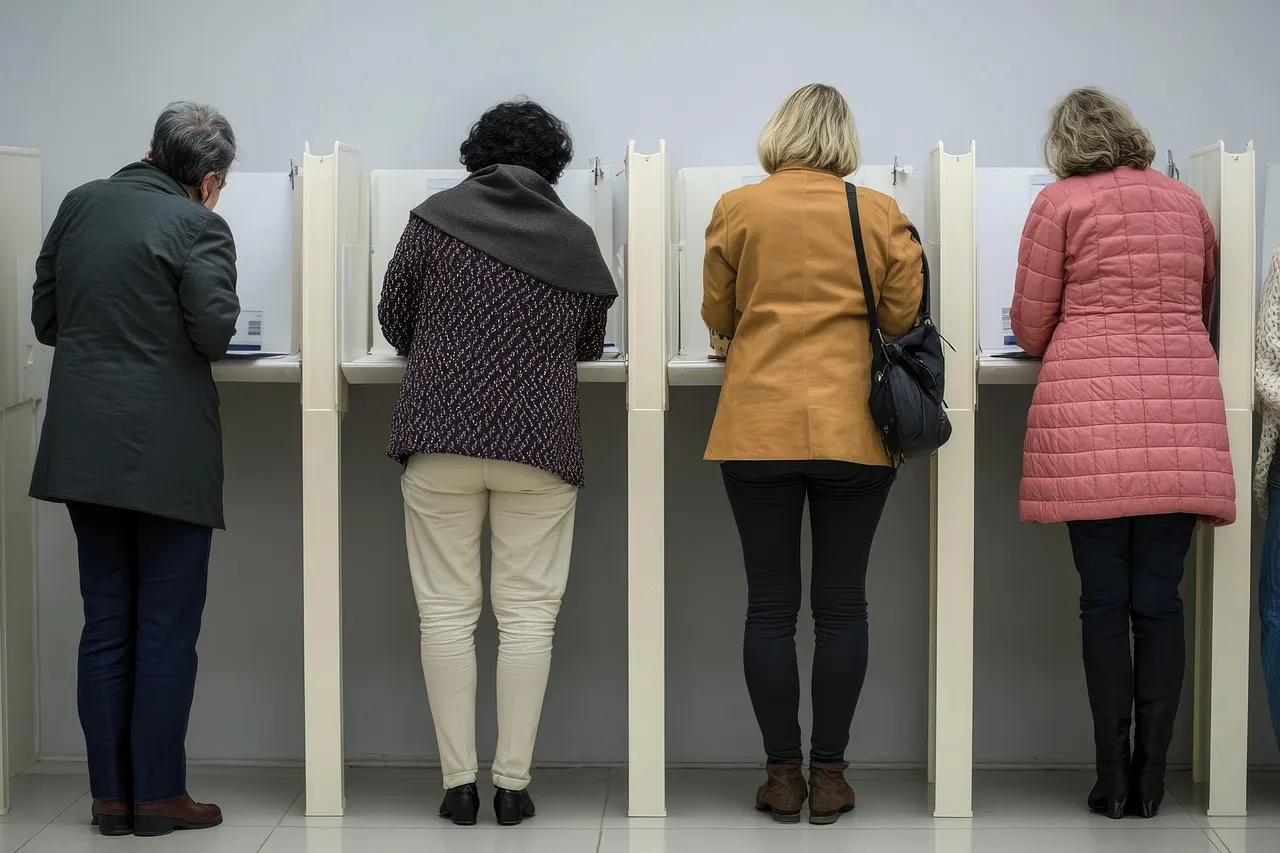
The long and contentious campaign surrounding the hard-right’s bid to thwart population growth in Switzerland by limiting immigration, is coming to an end on June 14th. Here’s a reminder of what’s at stake as the Swiss head to the polls on Sunday.
Much has been said and written about this initiaitve, instigated by the Swiss People’s Party (SVP) and seeking to cap immigration from the European Union if Switzerland’s population reaches 10 million by 2050.
The Local has covered all aspects of this issue in detail.
In case you have missed any of our articles, here’s the overview of the main points:
What exactly is this proposal seeking?
It seeks to drastically reduce the influx of foreigners to Switzerland, so that the country’s population doesn’t exceed the 10-million mark, which the populist party says will overburden key infrastructure, such as housing, public transport, the health system, and schools.
Therefore, the proposal stipulates that “Switzerland’s permanent resident population must not exceed ten million people before 2050. From 2050 onwards, the Federal Council may adjust this limit annually.”
READ MORE: What exactly does the Swiss ‘no to 10 million’ anti-immigration proposal aim to do?
How soon will the initiative be enacted in case of a ‘yes’ vote?
According to the original text of the SVP’s initiative, “the permanent resident population of Switzerland must not exceed ten million people before 2050″.
“From 2050 onwards, the Federal Council may, by ordinance, adjust this limit annually according to natural population growth,” the initiative says.
So the key is what might happen before 2050.
Official Swiss statistics indicate that the country’s population is on track to hit 10 million by the early 2040s. It would rise to 10.5 million by 2055.
So under the terms of the initiative Switzerland would have to begin breaking its landmark agreements with the EU from 2041 or 2042 – if projections are correct.
READ MORE: When would Switzerland’s population cap initiative be triggered?
Would the ‘yes’ vote trigger labour shortages in Switzerland?
Switzerland relies heavily on people from the EU to fill the gaps in its labour market. A new study shows how significant the shortage could be with the approval of the SVP’s initiative.
Based on those dates and figures, researchers at Demografik institute revealed the likely scope of this shortage.
They found that Switzerland’s labour supply “would drop drastically,” especially if the low birth and high retirement rates continue.
READ MORE: How bad would worker shortages be if Switzerland backs anti-immigration proposal?
Will the ’yes’ vote cause more EU nationals to immigrate to Switzerland?
Though the proposal seeks to limit immigration, the effect could, in fact, be quite the opposite.
It might end up triggering a rush of immigrants from the European Union, with people hurrying to obtain residence and work permits before stricter immigration laws go into effect.
“We have seen such effects under the transitional regime for new EU-member states, when Switzerland re-introduced quotas for a limited period of time,” according to migration expert Cornelia Lüthy, former vice director of the State Secretariat of Migration (SEM).
READ MORE: Could EU nationals rush to move to Switzerland if population cap is triggered?
Who are the opponents of the SVP’s initiative?
Among those against the move to curb immigration are the Federal Council, Parliament, employers’ association, trade unions, as well as police and law enforcement community in general.
Several parties have also formed the ‘anti’ coalition.They include the Liberals-Radicals (FDP) ,Centre Party, Evangelical Party, as well as Green Liberals – in addition to Social Democrats and Greens.
The SVP stands alone on this position
READ MORE: Who is leading the fight in Switzerland against the anti-immigration proposal?
Approval of the initiative could put Switzerland’s security at risk
According to Swiss law enforcement officials, if the initiative is accepted, Switzerland could become a hub of criminal and terrorist activity.
That’s because “measures aimed at curbing immigration could limit or even end the country’s access to the EU’s police database.”
This would diminish Switzerland’s capacity to fight against organised crime, terrorism, and human trafficking.
Consequently, “Switzerland would end up becoming an isolated island within Europe, a potential haven for organised crime,” she pointed out, adding that before casting their votes, the public needs to be aware of the “risks involved.”
READ MORE: Switzerland’s security to be ‘seriously compromised’ if anti-immigration vote wins
Acceptance of the vote would affect relations between Bern and Brussels
According to Christophe Grudler, the European Parliament’s permanent rapporteur for Switzerland, accepting the initiative would jeopardise the currently good relations between Bern and Brussels.
“The initiative is a covert attack on our relations,” he said.
Other members of the European Parliament (MEP) agree.
“From a European perspective, the free movement of persons is a central component of the bilateral approach,” said MEP Norbert Lins.
READ MORE: EU lawmakers slam Swiss anti-immigration vote
Approval of the initiative could lead to tax increases
Among other concerns raised by the proposal’s opponents is the detrimental effect it could have on the finances of Switzerland’s population.
According to Daniel Lampart, chief economist at the Federation of Trade Unions, if the initiative becomes law, Swiss taxpayers could be hit hard in the pockets.
His calculations have therefore led him to conclude that taxes would have to be raised to offset these losses – concretely, an increase of 635 francs per year for an average household.
READ MORE: Swiss households to pay ‘635 francs more a year’ if anti-immigration proposal wins
The ‘no ‘vote is likely to prevail
Though previous surveys indicated the ‘yes’ vote would be a more likely result, the two latest ones show the ‘no’ camp is now prevailing.
According to the survey carried out by gfs institute on behalf of the Swiss Broadcasting Corporation and published on June 2nd, 52 percent of voters will ‘definitely’ or ‘probably’ reject the proposal, while 45 percent would ‘definitely’ or ‘probably’ approve it.
However, 4 percent of survey respondents remain undecided, which means the numbers could shift either way.
READ MORE: Switzerland’s anti-immigration initiative looks likely to fail, latest polls show
Swiss government did not adequately plan for population growth
“Switzerland did not anticipate this population growth, and is now paying the price,” Cenni Fajy, head of politics at the economic organisation Centre Patronal, told The Local.
“It underestimated the impact of immigration on infrastructure,” Fajy said
The SVP has taken advantage of this oversight to further its own cause.
According to a report in Geneva’s Le Temps newspaper, the campaign has “given the party unprecedented political and popular resonance, with the stated objective of reducing immigration.” the newspaper added.
READ MORE: Switzerland pays price for not preparing for population growth