


Extra taxes for commodity traders? “We’re not having any of it”
Keystone-SDA
Suissenégoce, the association of Swiss companies active in the commodities trade – primarily oil – and in maritime transport, rejects any suggestion of additional taxation on the profits of companies in the sector.
“Taxing profits more heavily is not a good idea, because companies already pay a huge amount in taxes – we’re talking about hundreds of millions of francs,” says Secretary General Florence Schurch in an interview with the AWP news agency. “Finance Minister Karin Keller-Sutter even said that the government had been able to balance its budget thanks to tax revenue from Geneva [where many traders are based].”
In her view, companies in the sector “are rewarded for the work they do, but they are by no means responsible for what happens in the world, nor for the price at the petrol pump, which also depends on refining costs, transport costs, exchange rates and excise duties.”
More

More
Report sees key role for Switzerland in commodities trading
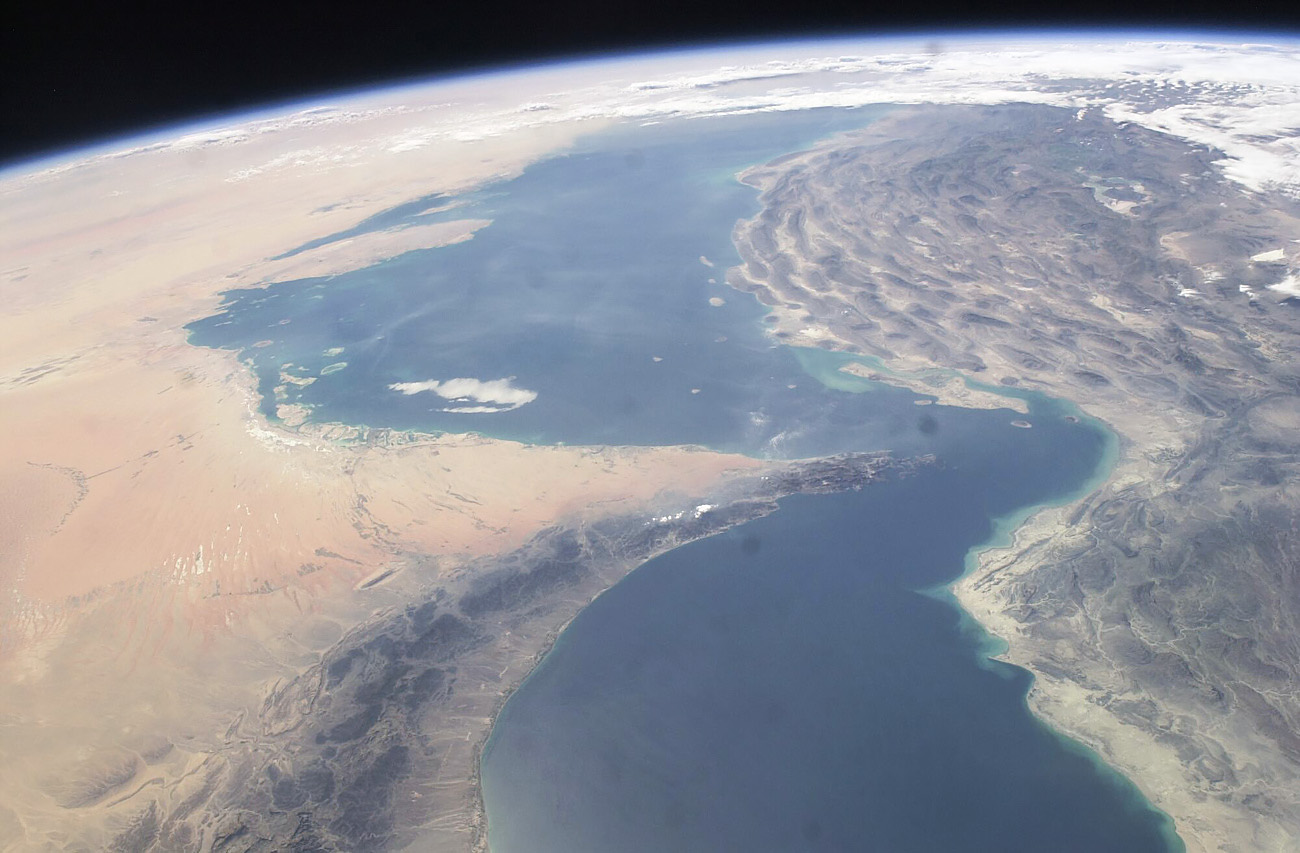
The interview also touched on the context of tensions in the Middle East, with the drastic reduction in oil flows through the Strait of Hormuz and, more recently, through the Strait of Bab el-Mandeb, which has been blocked by the Houthis.
“In Switzerland, there is no risk of a shortage, thanks on the one hand to our strategic reserves and on the other to the fact that we are a country that can absorb price rises more easily than others. When oil is less accessible in certain parts of the world, the role of traders is to source supplies from other countries, such as Norway, Africa or the United States. The risk lies rather in a rise in prices, because there is less oil available.”
“It is impossible to say how high prices might rise because one cannot predict unforeseeable events,” said Schurch. “Prices depend on the market and are subject to random and variable factors.”
“Even more than the rise in prices itself, it is the duration of this increase that causes problems. Fortunately, under the law, our country has oil reserves. And if Switzerland were to buy it on the market at high prices, it could do so,” she added.
Furthermore, if fuel prices were to become too high, Schurch said the government has complete freedom to lower fuel taxes.
“It must be borne in mind that 50% of the price of petrol comes from taxation,” she added.
With regard to the Cressier refinery, which supplies around 30% of the country’s fuel, the government has authorised a drawdown from the reserves.
“These strategic reserves are precisely intended to be used in the event of a problem,” said Schurch. “The federal authorities have acted as envisaged in the event of an extraordinary situation – which is what we are seeing today, as various factors have come together. In particular, the water levels in the Rhine are too low for ships carrying fossil fuels to be fully loaded. Drawing on these reserves was the simplest solution.”
More
More
Iran-US: the stakes of disruption at Hormuz for Switzerland
“This episode clearly demonstrates the need to have refineries within the country, as well as our gas reserves,” she said.
As far as transport routes are concerned, the situation is complicated.
“In the Persian Gulf, traders are transporting oil by lorry across the entire Arabian Peninsula to reach the Red Sea and find ships, as the pipeline running through Saudi Arabia has currently been hit by bombing. All this obviously drives up prices, because it involves a massive logistical operation and entails high insurance costs.”
“People often wonder why companies trading in raw materials make such high profits, but they are far less aware of the fact that, thanks to them, the Swiss population has no supply problems and will be able to keep warm this winter,” concluded Schurch.
+ How we produce news in English
Translated from Italian, reviewed by an English Department journalist.