

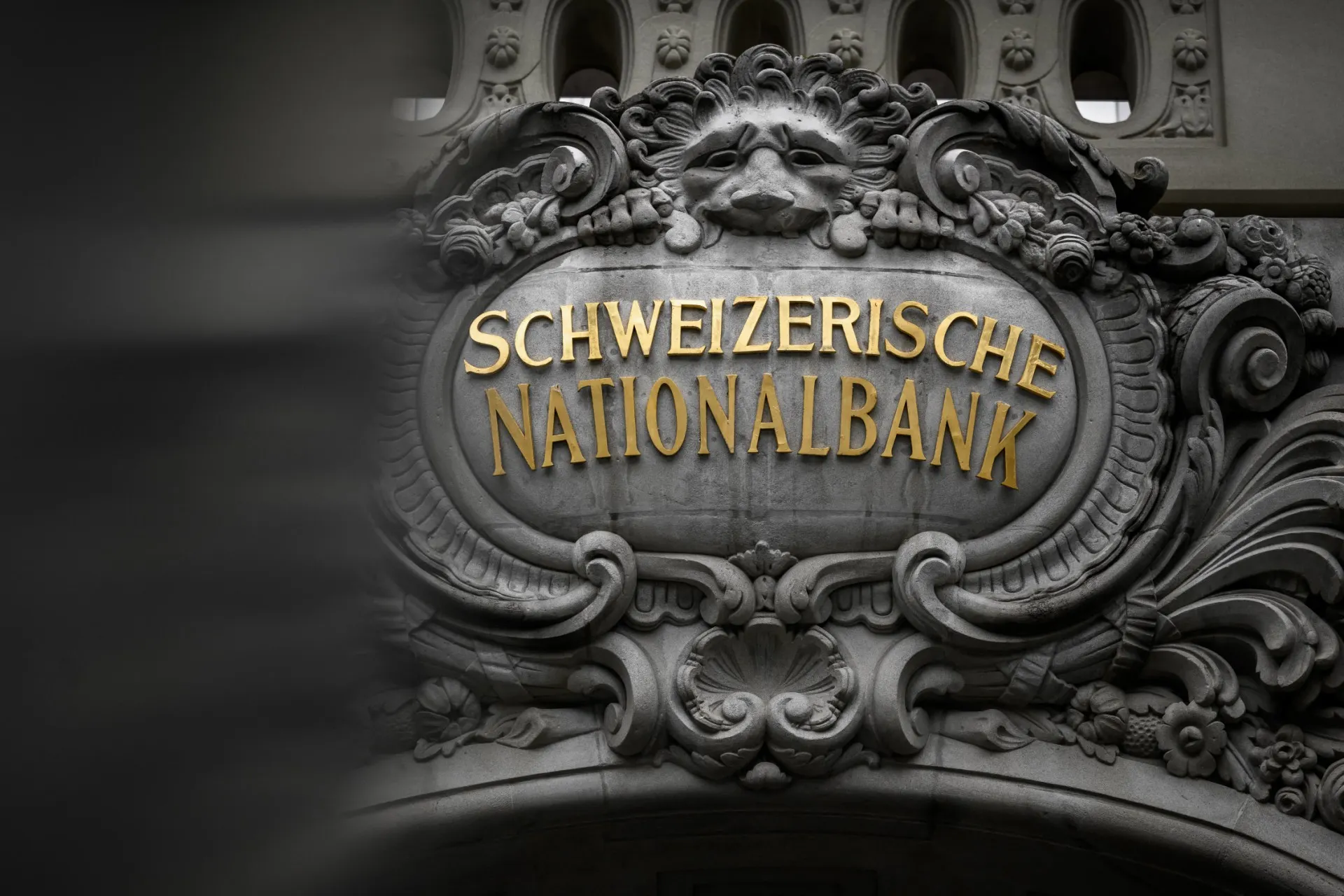
Switzerland’s central bank kept interest rates unchanged at zero percent on Thursday, but raised its inflation forecasts because of higher-than expected oil prices.
The Swiss National Bank (SNB)’s decision, which comes after the recent tightening by the European Central Bank, the US Federal Reserve and others, had been expected.
Chairman Martin Schlegel said the bank had determined its current monetary policy was “appropriate to keep inflation within the range consistent with price stability and supports economic development”.
But he noted that inflation had risen since the bank’s last update in June, “mainly driven by higher prices for oil products”.
Swiss inflation accelerated in August to 0.8 percent year-on-year from 0.4 percent in July, but remained well below levels seen elsewhere in Europe, SNB said.
The bank said it was raising its inflation forecast in the shorter term even though “medium- term inflationary pressure has increased only slightly”.
It now forecasts inflation this year of 0.7 percent, up from a previous forecast of 0.6 percent, and to 0.8 percent next year from 0.6 percent.
For 2028, it said it now expected inflation to tick in at 0.8 percent instead of 0.7 percent.
The SNB also lifted its 2026 economic growth forecast on August 24th after gross domestic product jumped a full percentage point in the second quarter to 1.5 percent, driven mainly by exports in the key pharmaceutical sector.
The bank said it now expected GDP growth of 1.5 to 2 percent this year, compared to a previous estimate of around 1 percent.
SNB also pointed to easing upward pressure on the Swiss franc. Like gold, German bonds or the Japanese yen, the franc is a major safe-haven asset where investors seek refuge in times of geopolitical tensions or economic uncertainty.
The central bank has held the benchmark rate at zero since June 2025 after years of negative rates, intended to keep the franc from rising against major currencies, which would threaten its key exporting industries.
But the franc had depreciated by around 3 percent since June, Schlegel said, adding that this was “in line with the widening of interest rate differentials between major currency areas and Switzerland”.
He warned though that “uncertainty about inflation and economic developments remains high, particularly regarding further developments in energy prices and their impact”.
“We will therefore continue to monitor the situation and adjust our monetary policy if necessary,” Schlegel said, adding that the bank was “also willing to intervene in the foreign exchange market as necessary”.
Ahead of the decision, EFG International analyst GianLuigi Madruzzato had cautioned that looking forward, “the continuation of the zero-rate policy is less of a certainty than it was just a short while ago”.
Pointing to inflation trends and the weakening franc, he said the likelihood of a rate increase at coming SNB meetings in December or March had increased.