

In the past three months, a third of Gaza’s population (714,000 people) have been forced to move once again, separating families and dismantling local support systems.
Women and girls are bearing a heavy burden, fearing for their lives on the streets – at delivery points, and in overcrowded, makeshift shelters that lack privacy and security – as many sleep in the open.
“Women have experienced immense loss, including the death or imprisonment of relatives. Looking for water, living without any privacy, and constantly worrying – it’s exhausting,” one case worker told UNFPA.
Many young girls are also being pushed into child labour and forced marriage in efforts to cope with devastating hunger.
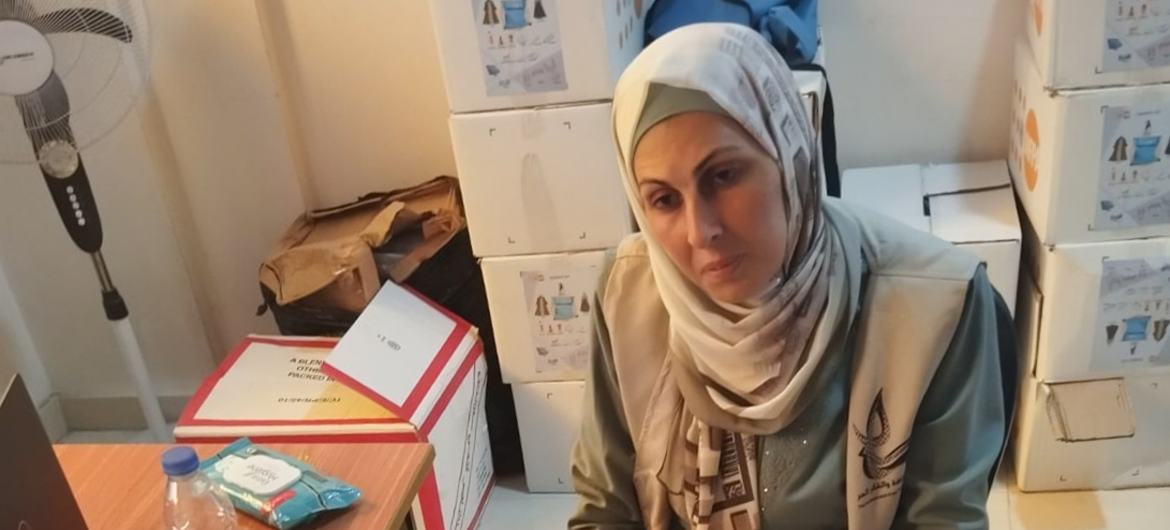
Suhair who works at a safe space for women and girls in Gaza’s central Deir El-Balah Governorate.
Safe spaces in big demand
In response to this crisis, on Wednesday, UNFPA reported a sharp increase in victims seeking help at their safe spaces, which provide shelter and psychological support.
However, according to the women working there – many of whom are also displaced, conditions are extremely difficult, and there are far too few facilities for the number of women and children in need, making it difficult to reach those most at risk.
For instance, displacement orders have disrupted services and caused providers to lose essential equipment and files, forcing them to restart operations from scratch.
Even as staff receive accounts of abuse, incidents remain vastly underreported due to stigma, fear of retaliation, and the collapse of health and justice systems.
“Despite all the difficulties, I continue to support abused women and girls,” said Asmaa, who works at a UNFPA-supported safe space in Gaza and has been displaced ten times since the war began.
Severe supply and fuel shortages
Fuel shortages are crippling critical infrastructure across Gaza. The UN has warned that humanitarian operations may collapse entirely, and an estimated 80 per cent of health facilities are expected to run out of fuel in the coming days.
As UNFPA attempts to shift to remote support, fuel shortages have triggered telecommunications blackouts, cut off survivor hotlines and made remote assistance largely inaccessible.
Since the blockade was imposed on 7 March, no agency supplies have entered Gaza, leaving essential items such as menstrual hygiene kits severely depleted.
Due to these shortages, three UNFPA safe spaces have closed, while the remaining 14 are functioning at severely limited capacity.
Despite the many challenges, the reproductive health agency and its case workers continue to try their best to help women and girls. “We feel the urgent needs of women and recognise the importance of supporting them. A small effort can make a big difference in their lives,” one caseworker stressed.
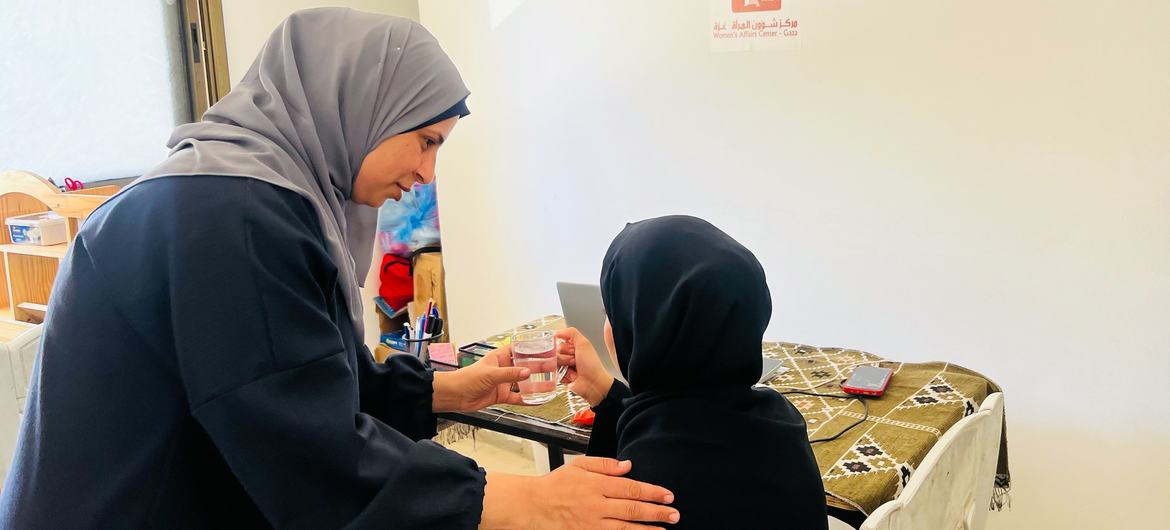
Salma, left, is a mother of four and gender-based violence case manager in Khan Younis.