

Aside from the federal referendums, voters in several Swiss cantons will also weigh in on matters of regional importance on March 8th.
On the federal level, voters will have their say on four big issues: individual taxation of married couples, protecting cash as Switzerland’s only official currency, annual fee for the Swiss Broadcasting Corporation, and allocating more funds to combating climate change.
READ MORE: What’s at stake in Switzerland’s spring referendums?
What issues will be put to a vote in cantons?
Only a few cantons will be holding local referendums on March 8th:
Aargau: Work must pay off
The Young SVP’s (Swiss People’s Party) initiative called “Work Must Pay Off” aims to cut social assistance in the canton.
People who have received social aid for more than two years would receive less support going forward. The basic allowance for these individuals would be reduced by at least 5 percent.
Exceptions, however, would be made for children, parents with children under four months old, and people aged 55 and over – but only if they have been employed in Switzerland for at least 20 years and have not received social assistance during that time.
Aargau: Stop speed camera scams
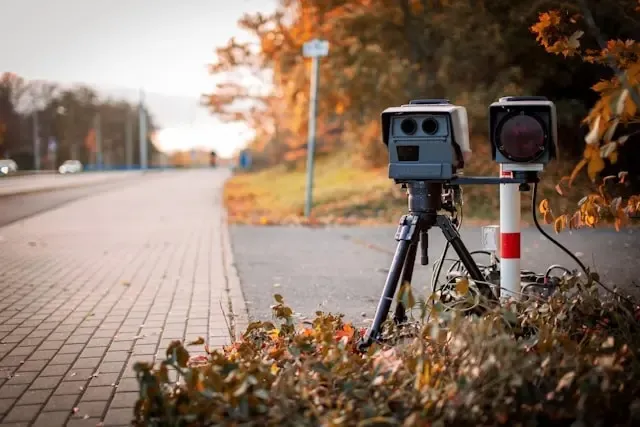
The initiative launched by the Young Liberals questions whether permanent radar devices serve to improve road safety or merely fill the state coffers.
It proposes that stationary speed cameras in Aargau may only be installed with the approval of the cantonal government, rather than arbitrarily by municipal police.
Approval will only be granted if the traffic situation at the planned location is unsafe and it can be demonstrated that other measures have been ineffective.
Advertisement
Basel-Country: 30 km/h speed limit on main roads – only with the people’s consent
This move aims to make the introduction of 30 km/h speed limits on main roads contingent on voter approval.
The proposal calls for a change in the current practice of implementing a blanket 30 km/h speed limit without specific local referendums.
Basel-Country: Full tax deduction of self-paid premiums for mandatory health insurance (Premium deduction for all)
The proposal calls for the full, unlimited deduction of self-paid health insurance premiums (basic insurance) from taxable income to relieve the burden on the middle class.
The cantonal parliament has drafted a counter-proposal that significantly increases the deductions for insurance premiums (for instance, 3,000 instead of 2,000 francs for adults).
Advertisement
Geneva: Minimum wage for summer jobs
The proposal is to amend the section of the Labour Inspection and Relations Act (LIRT) concerning the minimum wage- specifically introducing an exception for summer jobs.
Currently, a summer job is defined as employment of up to 60 days, performed between June 15 and September 15, by a young person under 25 enrolled in a training program leading to a qualification recognised in Switzerland. Summer job wages are subject to the minimum wage law.
What is at stake in the vote: For summer jobs, if the amendment to the law is accepted, the minimum wage would be 75% of the general minimum wage.
Advertisement
Ticino: Wage dumping
Voters will weigh in on a proposal that would require companies headquartered in Ticino to notify the cantonal authorities of employment contracts in force, as well as those signed or terminated during the year.
Details would have to be provided regarding the type of contract, duration, function, type of qualification required for the position, previous salary for this position in the event of a replacement, place of work, hours worked, employment level, and salary.
The employee’s education, age, gender, nationality, type of permit, address, and number of dependent children must also be disclosed. If the authority receiving the notifications finds a clear violation of the anti-dumping law, it must forward a report to the competent authority for action.
The new law would also require the establishment of an office responsible for enforcing the Gender Equality Act. Failure to provide the information is subject to a fine of up to 5,000 francs.