


The Graubünden government announced the move in a response published on Monday to a parliamentary question from Centre Party lawmaker Sandra Maissen, who had urged action against organised crime.
Keystone-SDA
The Graubünden government plans to combat organised crime through a dedicated action plan and expert report following a debate in the local parliament.
The government announced the move in a response published on Monday to a parliamentary question from Centre Party lawmaker Sandra Maissen, who had urged action against organised crime. An external report will underpin the initiative and recommend measures for authorities, businesses and society.
Partly implemented
The government says that two of parliament’s four requests have already been met. A binding procedure is already in place to verify procedures relating to immigration law in other cantons. The current information and monitoring mechanisms have proved effective.
The call for a full security check when issuing residence permits has also been implemented. The monitoring options allowed by law are used systematically. For third-country nationals, a copy of a criminal record is normally required, while for nationals of EU member states and the European Free Trade Association (EFTA) states, this is done where there are grounds for suspicion. As a new temporary measure, a criminal record extract is required in the Moesa region – one of the eleven administrative districts in the canton Graubünden – for all new permit applications submitted by EU/EFTA citizens.
Future checks on businesses
The other requests made in the parliamentary motion will be examined under the new action plan. These include a cantonal monitoring plan for shell companies and businesses with a high risk of money laundering, as well as an assessment of the possibility of establishing a central reporting office.
+ Swiss strategy to tackle organised crime
The plan will also include the implementation of the federal government’s national strategy to combat organised crime, in which the canton intends to play an active role, the authorities announced last Thursday. The government has asked the Graubünden parliament to defer these two points for further consideration and to regard the requests that have already been implemented as having been dealt with.
More
More
Europe-wide drugs probe raises questions about Swiss residency checks
Arrests in Mesolcina
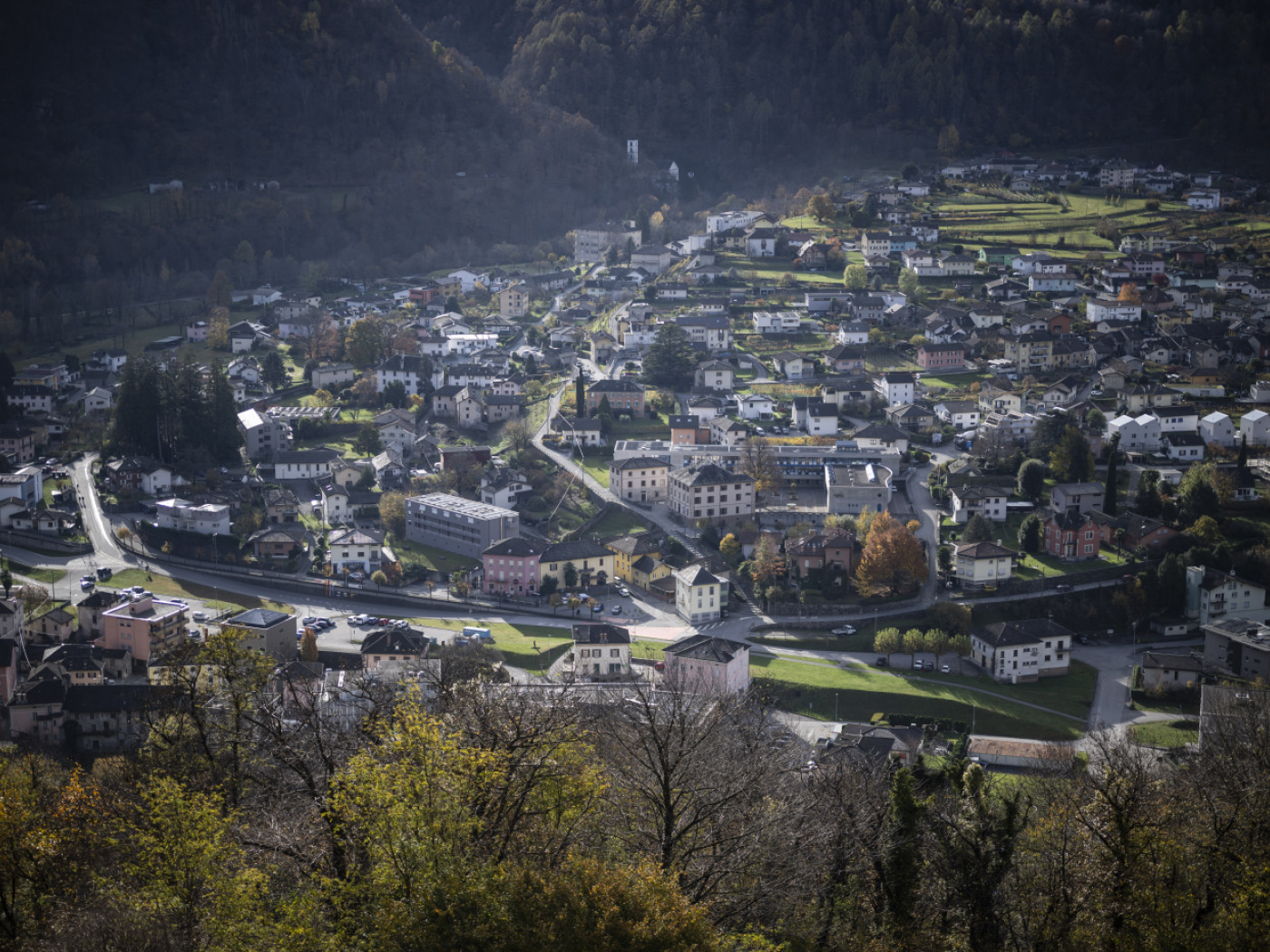
The parliamentary motion was prompted by the arrests of alleged members of the Camorra, the ‘Ndrangheta and a Balkan clan by Europol at the end of February. Four of those arrested were living in Roveredo, canton Graubünden, with a valid B residence permit.
One of the arrested individuals had previously been refused a residence permit in canton Ticino. According to the parliamentary motion, the Graubünden authorities were unaware of this for months. Val Mesolcina in canton Graubünden has long been regarded as a money laundering hub.
+ How we produce news in English
Translated from Italian, reviewed by an English Department journalist.