
Iran’s president and central bank chief told Supreme Leader Ayatollah Mojtaba Khamenei the economy was on the ropes due to the U.S. naval blockade, according to a report.
As the regime weighed whether to sign the memorandum of understanding to reopen the Strait of Hormuz and extend the ceasefire, officials were split among pragmatists favoring an agreement and hardliners who wanted to keep fighting. Meanwhile, the supreme leader was hesitating.
President Masoud Pezeshkian, who is among the pragmatists, approached Khamenei and told him economic conditions were dire, the U.S. naval blockade was crippling, and that he would resign if the deal wasn’t approved, senior Iranian officials told the New York Times.
At the same time, the head of Iran’s central bank sent a letter to Khamenei warning the country faced a severe budget crisis, was unable to sell oil via alternative trade routes at necessary volumes, and would run out of critical food and medical supplies by late August if the blockade wasn’t lifted, the report added.
The bleak assessments conveyed by the president and central bank helped convince Khamenei to give his blessing for the MOU, even though he said he opposed it “on principle,” sources told the Times.
Iran’s representative to the United Nations didn’t immediately respond to a request for comment.
The report comes as the U.S. and Iran have renewed their military skirmishes over the Strait of Hormuz, with Tehran seeking to close off an alternate route that hugs Oman’s coast and bypasses a regime-controlled channel.
While President Donald Trump declared the ceasefire was over, both sides remain engaged in talks meant to forge a permanent peace deal. But ship traffic through the Strait of Hormuz was plunged amid the renewed fighting, especially along the U.S.-backed route, reinforcing Iran’s control over the critical energy chokepoint.
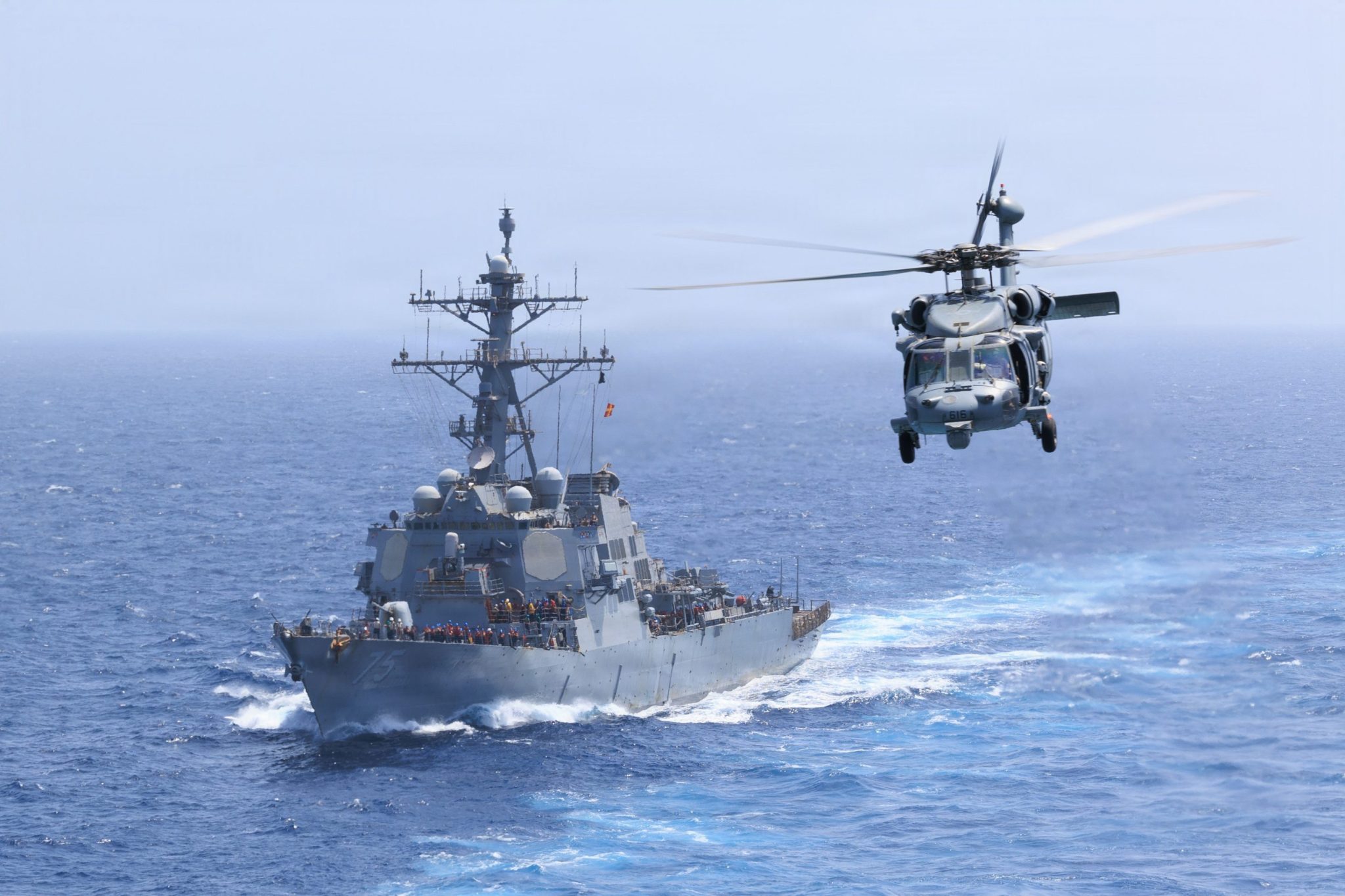
Trump restarted U.S. sanctions on Iran oil sales and said he would consider reimposing the naval blockade, which redirected 139 ships and disabled nine when it was in place from mid-April to mid-June.
Stopping the flow of ships carrying Iranian oil cut off a top source of revenue for the regime and further hobbled an economy that was already reeling before the war started.
Dan Alamariu, chief geopolitical strategist at Alpine Macro, said in a note on Wednesday that the U.S. could try to pry open the strait by military force, adding that current military operations suggest the U.S. may be positioning for this option.
Another course of action is to “grind Iran down economically” by reimposing a naval blockade, which he called the “path of least resistance” unless the MOU is reaffirmed.
Alamariu predicted a new deal may be needed. But along the way, more fighting, a blockade, or both are possible.
“Ultimately, both sides need a deal soon given domestic vulnerabilities: looming U.S. midterms, Iran’s economic and political fragilities,” he explained. “Some new deal is therefore quite possible, even likely within 1-2 months (or sooner), though timing and escalatory paths remain very uncertain. The current strikes and counter-strikes are a way to bargain, as both the U.S. and Iran are trying to establish greater leverage.”
Robin Brooks, senior fellow at the Brookings Institution, was an early proponent of a naval blockade and pointed out ways it could be further tightened.
In the first iteration, empty oil tankers were allowed to enter the Persian Gulf that Iran used to store oil it couldn’t export, providing Tehran more leeway before it had to shut down crude production.
Since the MOU was reached, Iran has been able to sell all that oil, relieving pressure on its infrastructure and providing a revenue windfall.
In a Substack post on Thursday, Brooks suggested that a second blockade should not allow empty tankers to enter the Gulf and that storage tanks can be sabotaged or destroyed. He added that Iran export terminals could be disabled.
“These three things together would make a second iteration of the blockade more impactful and make up for lost time,” he wrote.