

Highlighting the import-heavy status of many Caribbean islands, UN researchers warned on Wednesday that the war – and in particular the Strait of Hormuz shipping and energy crisis – have triggered one of the most significant global trade shocks since the COVID19 pandemic and Russia’s full-scale invasion of Ukraine in 2022.
Low-income households will be worst-hit, according to analysis partnered by the UN World Food Programme (WFP), after crude oil prices surged to more than $114 a barrel earlier this year, alongside increased shipping costs, insurance fees and delivery delays.
“Even with a fragile ceasefire now in place, volatility remains high – and the Caribbean, heavily reliant on imported food, is feeling the squeeze fast,” the report’s authors maintain.
At the same time, experts warn there’s a 61 per cent chance of the El Niño climate phenomenon striking by mid-2026; historically for the Caribbean region, El Niño has brought heatwaves, drought and crop failures to already struggling nations.
The crisis in brief:
- Fuel shock hits food prices: Sky-high oil and shipping costs are driving up the price of imported food, electricity and transport, squeezing household budgets across the Caribbean.
- Heavy reliance on imports: The region depends heavily on food imports, making it especially vulnerable to global price spikes and supply chain chaos.
- Drought fears rising: the UN climate agency WMO says that there’s a 60 per cent change of an El Niño weather event this year. A strong El Niño could bring severe dry spells to countries including Belize, Guyana, Suriname, Jamaica, and Trinidad and Tobago, threatening crops and water supplies.
- Food insecurity already high: Prices have jumped 55 to 60 per cent since 2018, leaving many families struggling, with food insecurity still well above pre-pandemic levels.
- Back-to-back disasters: Recurrent climate disasters, including Hurricane Beryl in 2024 and Hurricane Melissa last October have left households with little ability to cope or resist new shocks. This means that even small price rises or crop losses could tip many households into crisis.
Warning signs
In Belize, authorities are preparing for drought, while farmers across the Caribbean region fear shrinking harvests as rainfall drops and temperatures climb.
For low-income families, the impact could be devastating, as food and transport make up a large chunk of spending. This means that even modest price increases will hit hard and force many to cut meals, or switch to cheaper, less nutritious food, or fall into debt.
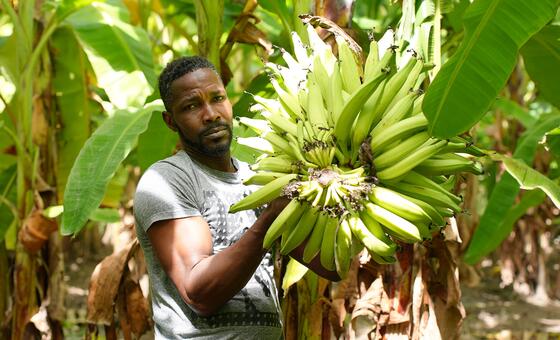
Small farmers and fishers are also at risk, facing rising running costs alongside worsening weather conditions.
Experts say that the coming months will be critical. Without swift action to stabilise markets, support incomes and protect food production, the region could slide into a deeper crisis.
Even if global conditions improve, the damage may linger — leaving the Caribbean trapped in a cycle of rising prices, climate shocks and growing food insecurity.